
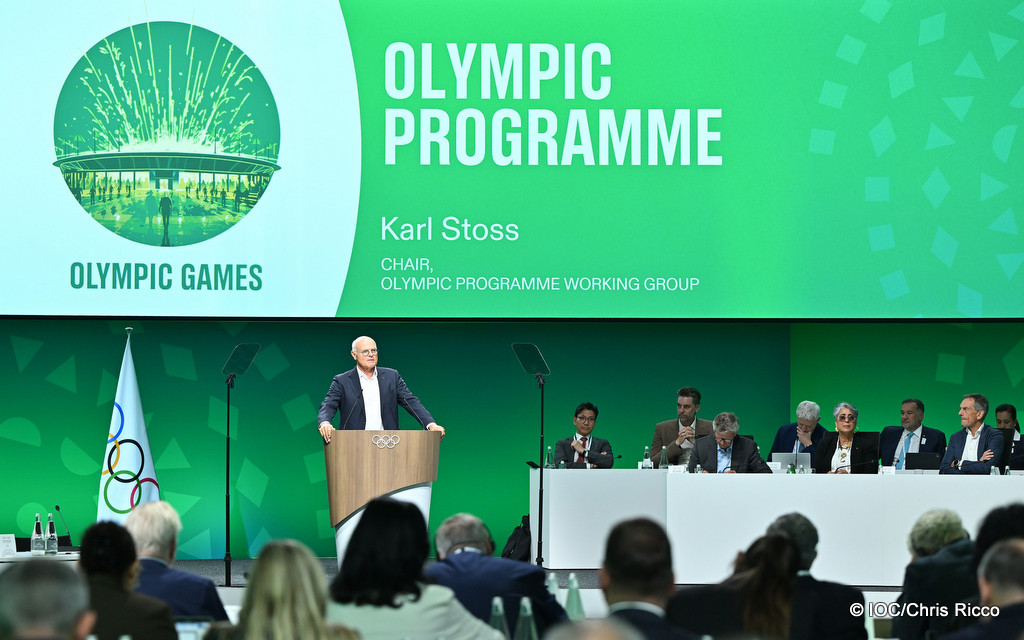

A new methodology to determine the Olympic programme, centred on the introduction of a discipline-based evaluation, was approved by the 146th Session of the International Olympic Committee (IOC).
The IOC Executive Board Meeting in May outlined a review based on discipline-level criteria (read our article "Could Eventing be cut from the Olympic Games?" here) which was ratified at the June 24th Session, with the IOC saying that the “more flexible framework, the decision marks a significant milestone in the IOC’s ‘Fit for the Future’ reforms, paving the way for a more transparent, sustainable and adaptable approach to shaping the Olympic programme for future Games”.
New methodology starts with Brisbane 2032
The IOC Session approved the introduction of a discipline-based evaluation of the Olympic programme to apply from the Brisbane 2032 Olympic Games onwards, providing Organising Committees with the possibility of proposing a maximum of four additional disciplines for the Summer Games and two for the Winter Games.
While the new methodology will be applied for the first time to the Brisbane 2032 Olympic Games, the IOC says that “Given the advanced stage of planning for Brisbane, some flexibility in implementation may be required”.
Discipline-based approach at the core
At the heart of the new system is a shift towards evaluating the Olympic programme at discipline level, reflecting the direct impact disciplines have on venue requirements, operational delivery and overall cost at the Games.
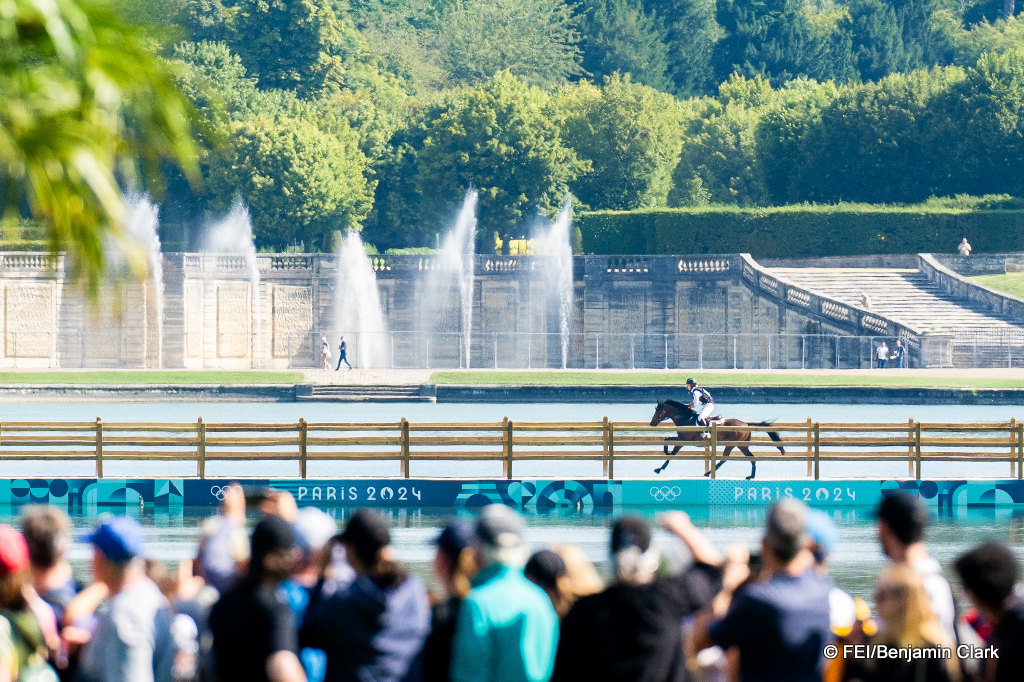
For example, the sport of equestrian has three Olympic disciplines – dressage, showjumping and eventing. While dressage and showjumping can share the same venue e.g. both are arena based disciplines, eventing requires an additional facility for the cross country.
The IOC Olympic Programme Working Group (OPWG) have made the recommendations based on the definition of a discipline as “An Olympic discipline is one or more events within a sport that require either a dedicated field of play or a significant modification of a shared field of play with another Olympic discipline, generally involving a separate group of athletes”
Two pathways will structure the programme review process
- Incumbent disciplines, already included in an Olympic Games and referenced in the Host Contract of the Games under review;
- Candidate disciplines, which are not part of that edition’s programme.
A three-stage evaluation framework
The methodology introduces a consistent and structured evaluation framework.
- All disciplines will undergo an initial screening focused on governance, integrity, anti-doping compliance and athlete safeguarding.
- Disciplines will then be assessed against core criteria:
- global appeal
- cost and operational complexity
- athlete representation.
- A final comparative assessment will evaluate high-performing candidate disciplines against lower-performing incumbent disciplines. To ensure a fair and robust comparison, information will be collected to address differences in data availability between those disciplines that have not appeared at the Games, with each discipline clearly profiled. This final process will be delivered in collaboration with the International Federations.
Disciplines that are not retained will remain eligible for future inclusion through the candidate pathway, ensuring continued opportunities for development and re-entry.
Transparent timelines
The new methodology also introduces a clearer decision-making timeline:
Seven years before the Games: the core programme of sports and disciplines will be confirmed in principle, or at the Session electing the host, whichever happens later
After the preceding edition of the Games: the final events programme and athlete quota will be determined by the IOC Executive Board
Additional disciplines from the Organising Committee
The IOC Session also approved a new framework concerning the disciplines which can be proposed by the Organising Committee of the Olympic Games (OCOG).
Under this new framework, OCOGs will be able to:
- propose a maximum of four additional disciplines for Summer Games and two for Winter Games. This would ensure flexibility for hosts and IFs while maintaining control over the scale and sustainability of the Games.
- select from Recognised IFs that are either new to the Olympic programme or govern disciplines within sports already included in the programme, subject to defined limits and full cost responsibility.
This OCOG process will take place approximately five years prior to the opening of the Olympic Games concerned and would ensure flexibility for hosts while maintaining control over the scale and sustainability of the Games.